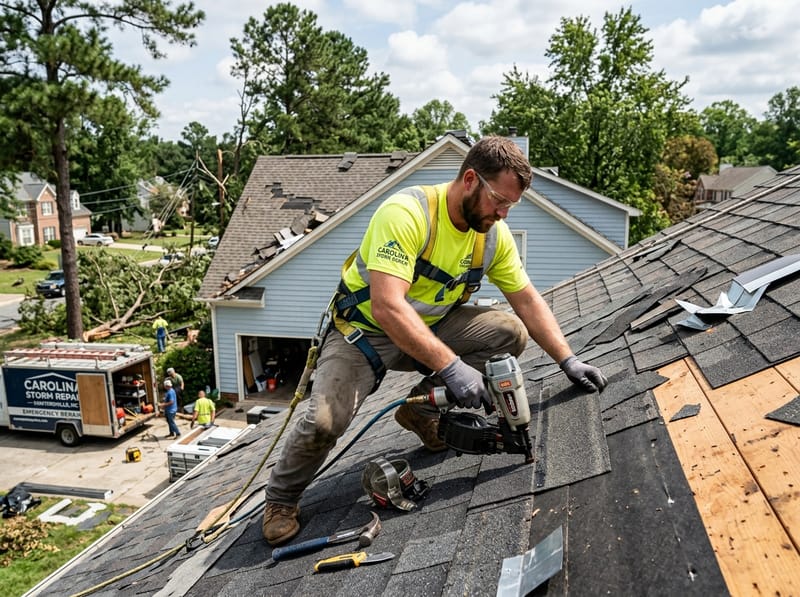
What This Service Involves
Vinyl siding installation in Huntersville is a complete exterior upgrade that replaces or adds a durable cladding layer to the home. It involves more than attaching panels to the wall. The work includes measuring each elevation, checking the wall surface, planning the layout, installing starter strips, fitting corner posts and trim, locking panels into place, and finishing the details around windows, doors, vents, and roof lines so the exterior performs as one system.
At Sturdy Siding Huntersville, the installation is handled with a focus on fit, alignment, and long-term weather protection. Master craftsmen use specialized techniques to keep the siding straight, allow for natural expansion and contraction, and preserve a clean visual line across every wall. That approach matters because vinyl siding looks best and performs best when it is installed with precision from the first course to the last trim detail.
Site Assessment and Material Planning
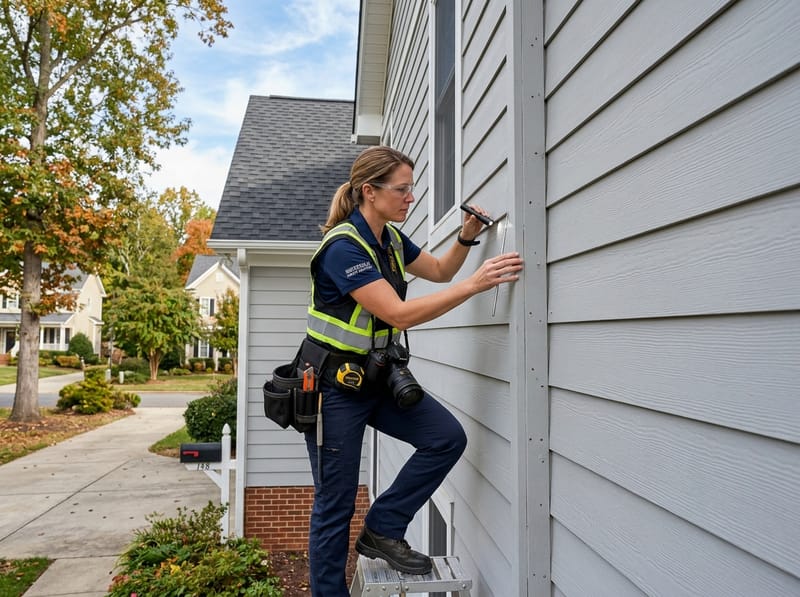
Every strong installation starts with a careful review of the home. The wall surfaces are checked for uneven areas, damaged sheathing, moisture concerns, old fasteners, and trim conditions that could affect the new siding. The team also studies the shape of the house so panel layout can be planned around corners, openings, and transitions rather than forcing awkward cuts that weaken the finished appearance.
- Measure the walls and openings for accurate panel planning
- Review existing surfaces for rot, swelling, or movement
- Select trim profiles and accessory pieces that fit the home
- Map the direction and starting point of each siding run
Removal, Prep, and Weather Protection
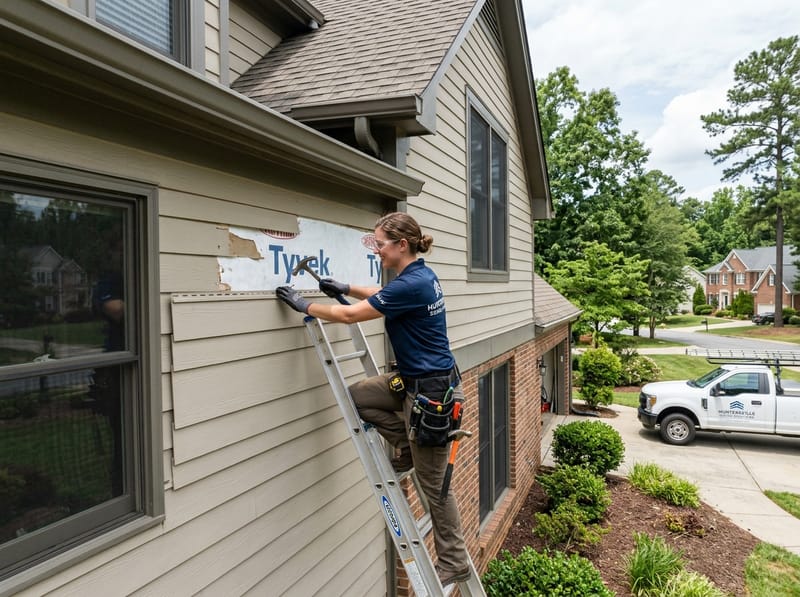
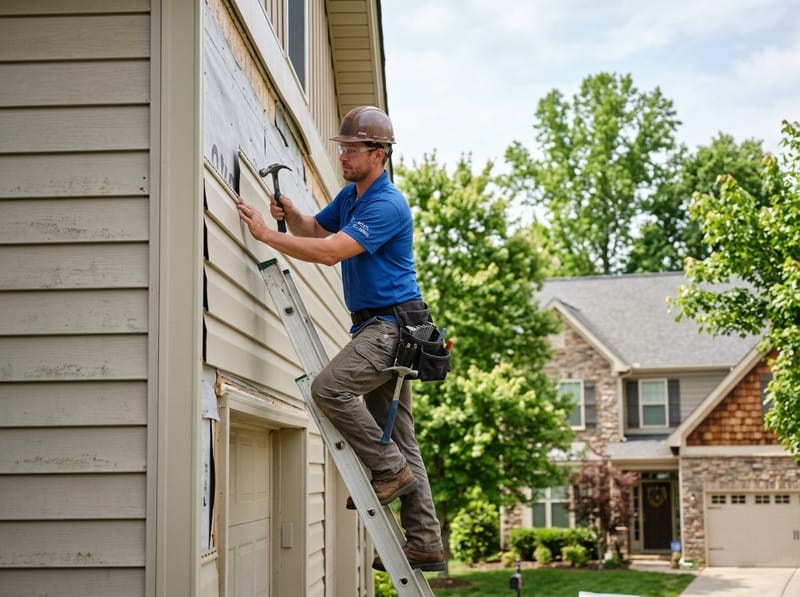
If old siding must come off, the removal phase is handled carefully so the wall structure can be inspected. This is the moment when hidden issues often show up, including soft wood, loose flashing, damaged wrap, or gaps around penetrations. The exposed surface is then prepared so the new siding has a stable base and the home gets the weather protection it needs.
Good preparation is one of the biggest differences between a clean-looking job and a siding system that holds up over time. The right underlayment, flashing details, and moisture-control steps keep water moving away from the structure instead of behind the panels. In Huntersville, where weather can shift quickly, that layer of protection is critical to a dependable result.
Panel Layout and Installation
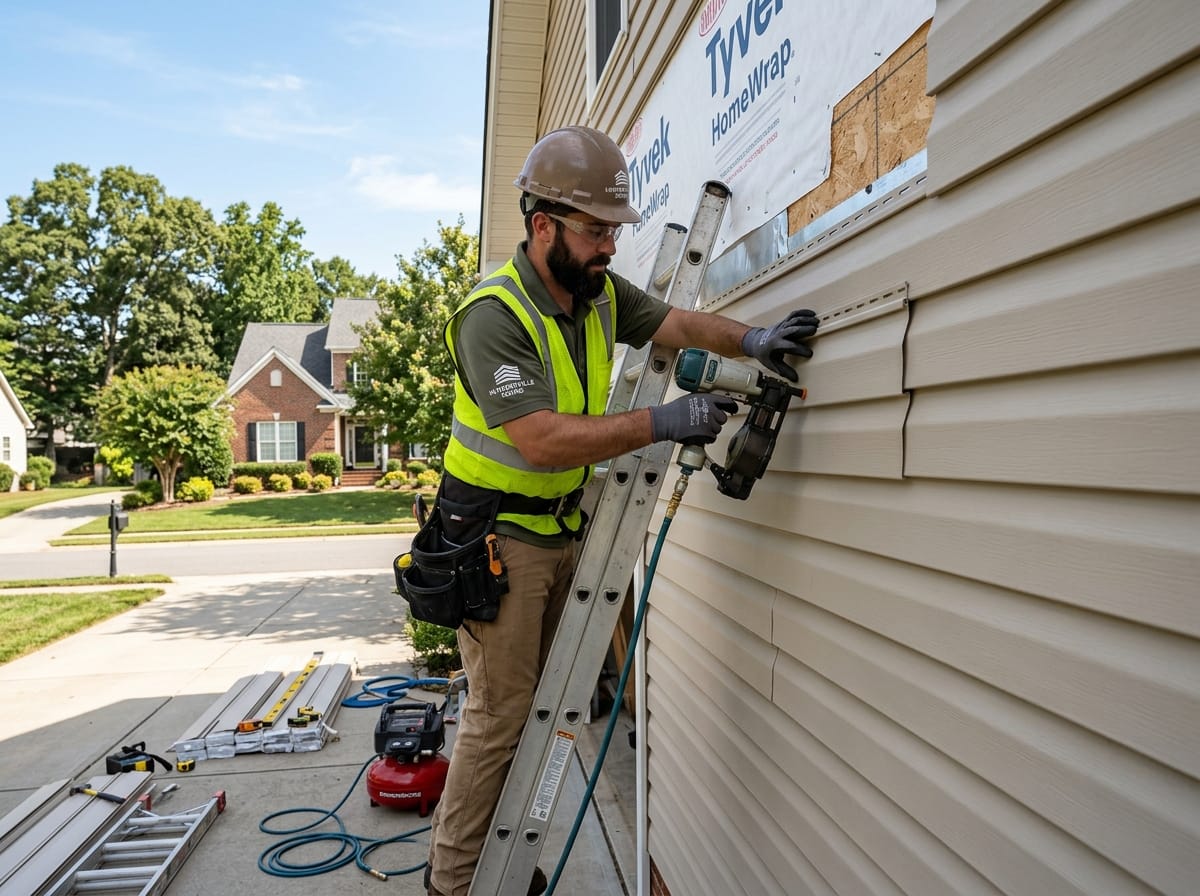
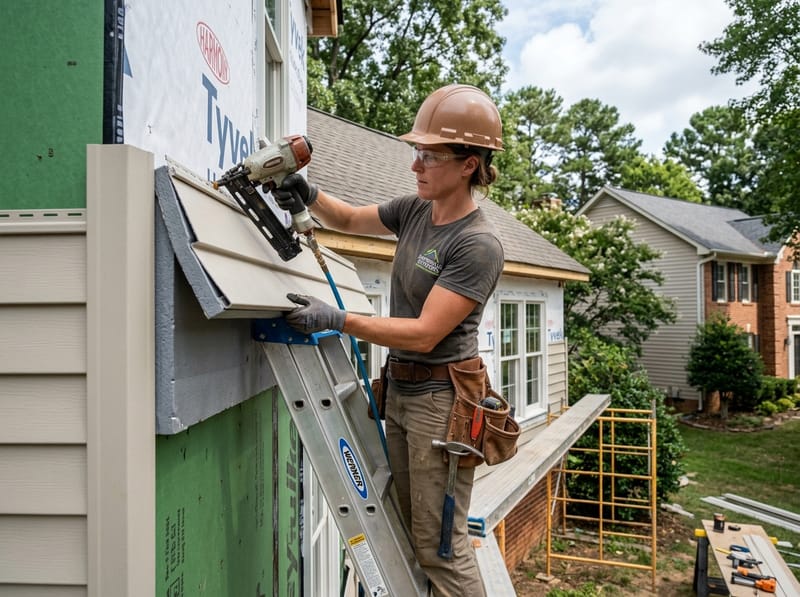
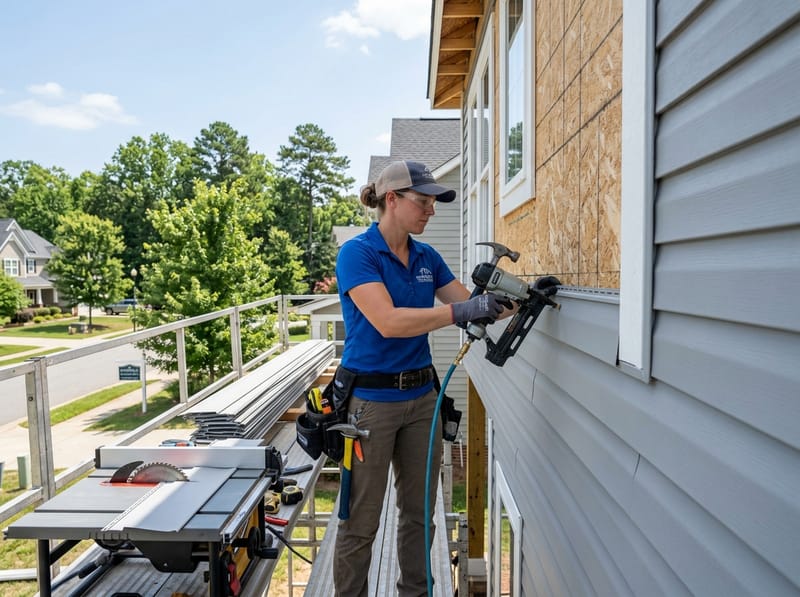
Once the wall is ready, the starter strip is placed level so every course above it stays true. Panels are then interlocked and fastened with the correct amount of movement space so they can expand and contract naturally without buckling. A careful installer never overdrives fasteners or pins the material too tightly, because vinyl siding needs room to move as temperatures change.
Each row is checked as it goes up to preserve consistent exposure, straight lines, and tight joints. The corners, seam placement, and panel overlaps are planned so the siding looks balanced from the curb and from close range. This is where industry expertise shows, because even a small error at the start can create visible waves or misalignment across the whole wall.
Trim, Flashing, and Finish Details
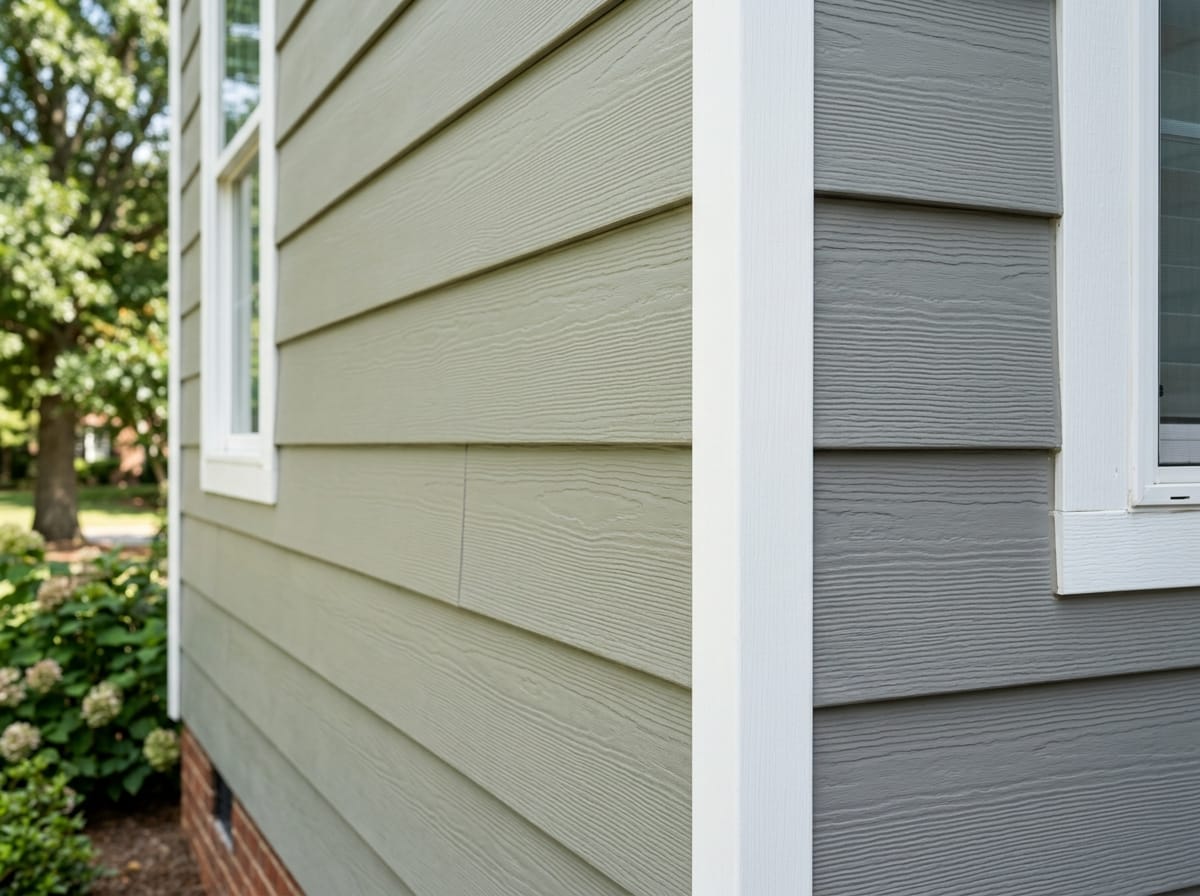
Finish work is where the job becomes complete. J-channels, corner trim, soffit transitions, and window and door details all need to fit cleanly so the exterior looks intentional and water stays out of the wall system. The best installations do not leave exposed, sloppy edges or loose accessory pieces that move in the wind.
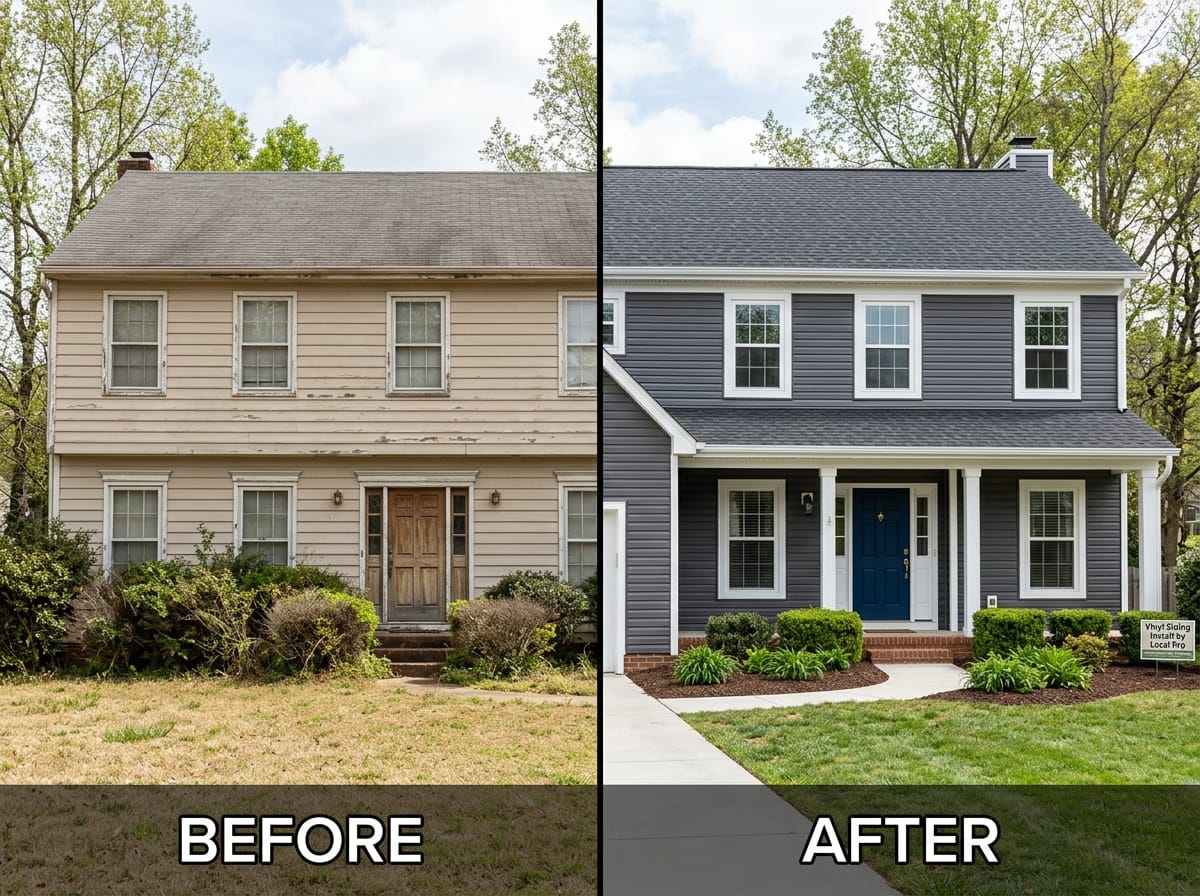
At the end of the project, the home should look crisp, even, and well proportioned. The siding should sit flat, the trim should frame each opening cleanly, and the surface should reflect the care used during the entire process. That level of finish is what homeowners expect when they choose professional vinyl siding installation in Huntersville.
When You Need This Service
Homeowners usually know they need vinyl siding installation when the exterior stops protecting the house the way it should or starts hurting the look of the property. Faded panels, cracking, loose sections, warped runs, and repeated touch-up repairs are all signs that the siding is no longer delivering the clean, dependable finish the home needs. A new installation can also be the right move when a remodel, addition, or new build needs a finished exterior that ties the property together.
In practical terms, the service is a smart choice when the home needs more than a patch. If the current siding has become brittle, if storm damage has spread across several walls, or if the exterior looks uneven no matter how often it is repaired, replacement delivers a cleaner and more stable result. It is also the right answer when a homeowner wants to improve curb appeal before selling or simply wants a lower-maintenance exterior that looks polished from the street.
- Visible cracking, splitting, or loose panels
- Warping or waves across the wall surface
- Water staining or moisture concerns near openings
- Frequent small repairs that do not solve the bigger issue
- Major fading or a dated look that hurts curb appeal
- New construction or additions that need a complete exterior finish
Why Problems Happen
Vinyl siding problems usually start with one of a few basic issues: movement, moisture, impact, or poor original installation. Sun exposure can make material fade or become less flexible over time. High heat can affect panel movement, while wind and impact can loosen fasteners or crack sections that were already stressed. If the original installation was rushed, the problems show up sooner because the panels were not given the right clearance or the wall was not prepared correctly.
Moisture is another common cause of trouble. Water that gets behind the siding through failed flashing, poor caulking, or gaps around windows can damage the wall assembly even when the siding itself still looks acceptable on the surface. That is why a careful installer looks beyond the visible face of the wall. The real goal is to protect the structure underneath, not just improve what people see from the driveway.
Common Root Causes in Homeowner Language
- Fasteners placed too tightly, which prevents the siding from moving naturally
- Missing or poorly fitted flashing around openings and transitions
- Old wall materials that were never corrected before new siding was added
- Storm impact from windborne debris or heavy weather
- Heat buildup in exposed areas that stresses the panel shape
When those issues are ignored, the siding can begin to buckle, separate, or collect moisture in the wrong places. A professional installation avoids those problems by treating the wall as a full system instead of a collection of separate pieces.
What Affects Cost
Several practical factors affect the cost of vinyl siding installation in Huntersville, and most of them are tied to the condition and shape of the home rather than a single simple number. The size of the exterior surface matters, but so do wall height, roofline complexity, window count, trim detail, and the amount of prep needed before the new siding goes on. A straightforward house with clean surfaces and simple lines is easier to install than a home with many angles, dormers, and transitions.
Material selection also affects the scope of the project. Different siding profiles, trim styles, color choices, insulation options, and accessory details change the amount of labor and coordination required. If the existing siding needs removal, if hidden damage is found, or if the wall needs correction before new material can be installed, the job becomes more involved because the installation has to solve the underlying issue instead of covering it up.
- Overall exterior size and wall layout
- Condition of the existing wall surface
- Need for old siding removal and disposal
- Trim complexity around windows, doors, and corners
- Height, access, and roofline challenges
- Material profile, color, and accessory selections
- Any hidden repairs needed before installation begins
Repair vs. Replacement
Repair works best when the problem is small, isolated, and not tied to broader wall failure. A single damaged panel, a loose section near a corner, or a localized area that was hit by impact can often be corrected without replacing the whole exterior. That option makes sense when the surrounding siding is still in good shape, the wall underneath is sound, and the color match will not stand out too much after the repair.
Replacement becomes the better choice when the issues are widespread or when the siding has reached the point where repairs are only buying time. If the material is brittle, faded, warped, or repeatedly separating, a full installation gives the home a better long-term result. Replacement is also the safer choice when there are moisture concerns, because the team can inspect the wall, correct hidden problems, and rebuild the exterior with a clean, consistent finish.
For homeowners deciding between the two, the key question is simple: does the siding have a local problem or a system problem? Local damage can often be repaired. A system problem calls for a new installation so the home gets fresh protection, better appearance, and a more dependable exterior assembly.
Why Huntersville Homes Benefit from Precise Installation
Homes in Huntersville need siding that looks good and holds up through changing weather, sunlight, and humidity. Precise installation matters because vinyl siding performs best when every panel has room to move, every accessory is lined up correctly, and every opening is detailed to keep water out. That is especially important on homes with mixed rooflines, prominent front elevations, or older walls that require careful attention before new material is installed.
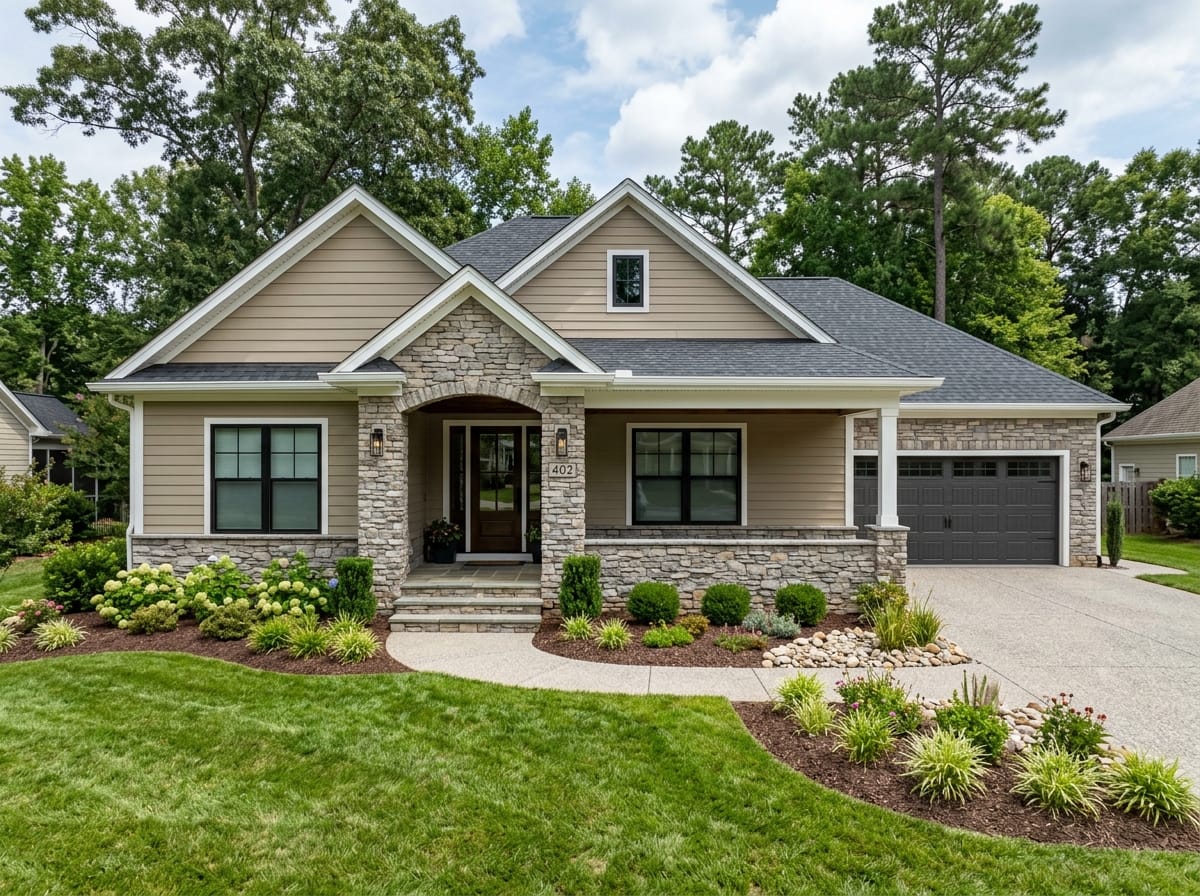
A precise installation also improves the visual result. Straight courses, balanced seams, and clean trim lines make the house look maintained and intentional. When the exterior is built with that level of care, the home gains stronger curb appeal and a finish that feels complete instead of patched together.
What Homeowners Can Expect During the Project
Homeowners should expect a structured process that moves from inspection to prep to installation to final review. The team begins by understanding the home, planning the layout, and confirming the details that will shape the job. Once work starts, the focus shifts to wall prep, moisture control, proper panel handling, and careful finish work around every edge and opening.
That process is designed to reduce surprises and create a cleaner result. A professional siding crew keeps the job organized, protects the work area, and finishes with a final check so the exterior looks consistent from every angle. The result is a home exterior that is better protected, easier to maintain, and more attractive in the Huntersville market.
Choosing a Team for Vinyl Siding Installation
Choosing the right team matters because siding installation is a technical trade, not a simple surface project. Homeowners should look for a crew that understands wall prep, flashing, layout, fastening technique, and finish detailing. The best results come from seasoned professionals who treat the exterior as a weather system and understand how each part affects the next.
Sturdy Siding Huntersville brings that mindset to every vinyl siding installation in Huntersville. The work is built around accuracy, careful handling, and a finished look that supports the home for the long term. That combination of technical knowledge and clean execution is what gives homeowners confidence in the final result.